



I’ve worked with and written about startups for years, and one thing that always stands out is how different reality looks compared to the hype. Everyone loves the idea of building the next big thing — but very few talk about the messy, uncertain, and often humbling process that happens before “success.” This post breaks it down in plain English: what a startup really is, why most fail, and how to give your idea an honest shot at surviving in the real world.
Introduction: Why Startups Matter More Than Ever
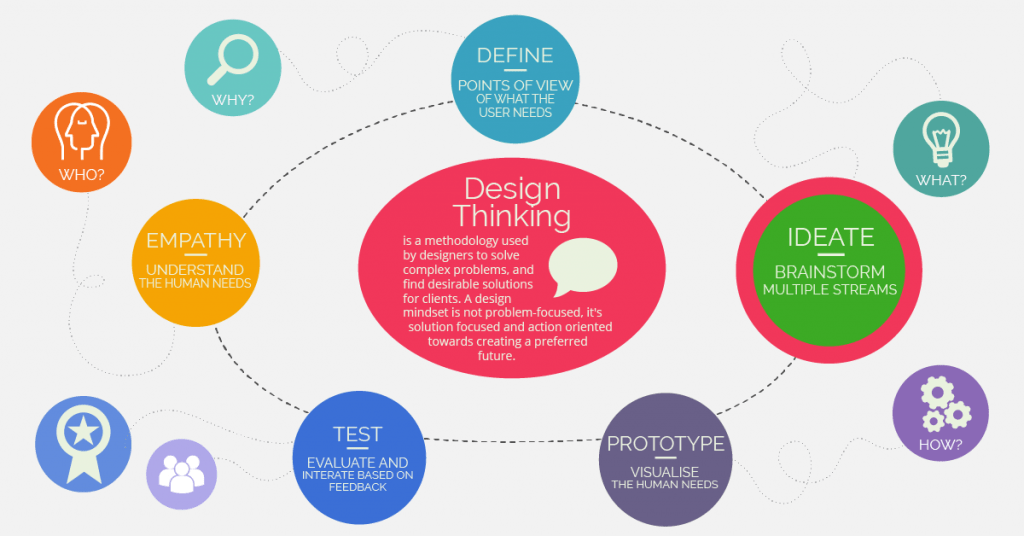
We’re living in a time when startups aren’t just a part of the economy — they are the economy. From garage-built apps to billion-dollar tech platforms, startups are reshaping industries faster than ever. They’re where innovation starts, where jobs are created, and where change really happens.
But behind every headline about a startup “disrupting” an industry, there are hundreds that quietly shut down. Most never make the news — they just run out of time, money, or motivation. Why? Because building something from scratch is messy. It takes clarity, patience, and a willingness to be wrong (a lot).
This isn’t another motivational “you can do it” post. It’s a grounded look at what actually matters when starting a business, what mistakes to avoid, and how to think like a founder — not just a dreamer.
What Is a Startup? A Practical Definition
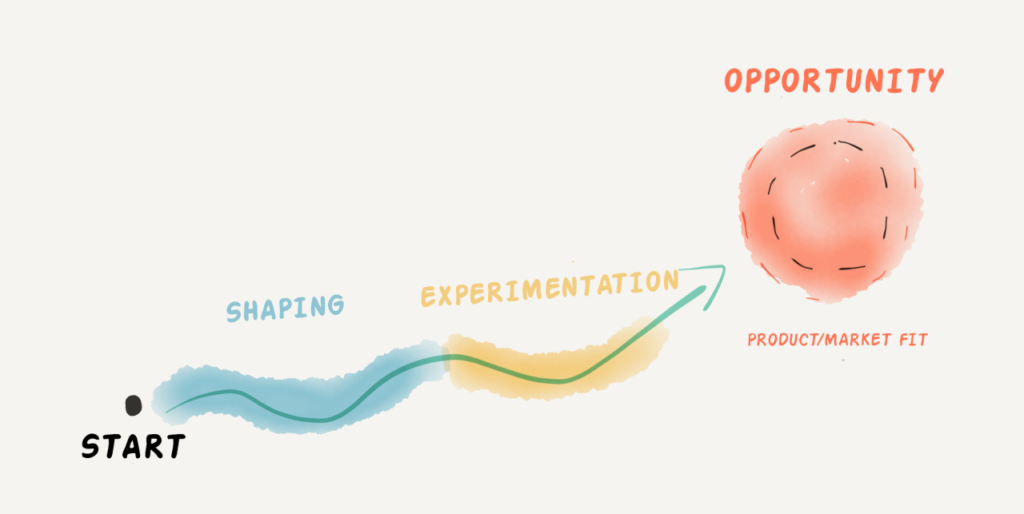
Let’s get one thing clear — not every new business is a startup. A startup isn’t just “a small business with a website.” It’s something built for growth under uncertainty.
In simple terms, a startup is a temporary organization designed to find a scalable business model. Unlike traditional businesses that follow a proven formula — like opening a restaurant or a local store — a startup starts with a lot of question marks. Who’s the customer? What do they really want? How much will they pay? Sometimes, even what’s the product isn’t fully clear yet.
The goal in those early days isn’t profit. It’s learning — figuring out what works, what doesn’t, and adjusting fast.
How Startups Differ from Traditional Businesses
Here’s the easiest way to see the difference:
Traditional businesses:
- Follow existing, proven models
- Focus on stability and predictability
- Grow slowly and sustainably
- Usually serve local or limited markets
Startups:
- Experiment with new ideas
- Thrive on uncertainty
- Aim for fast, scalable growth
- Often target global or digital markets
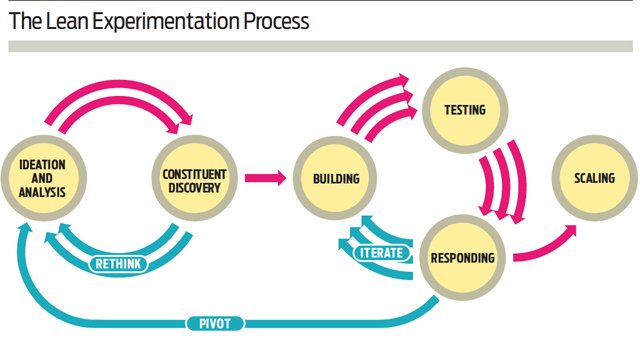
If you try to run a startup like a traditional business — by sticking to fixed plans and avoiding risk — you’ll probably kill it before it even starts. Startups are more like science experiments than factories. You test, learn, and pivot — constantly.
Why Most Startups Fail
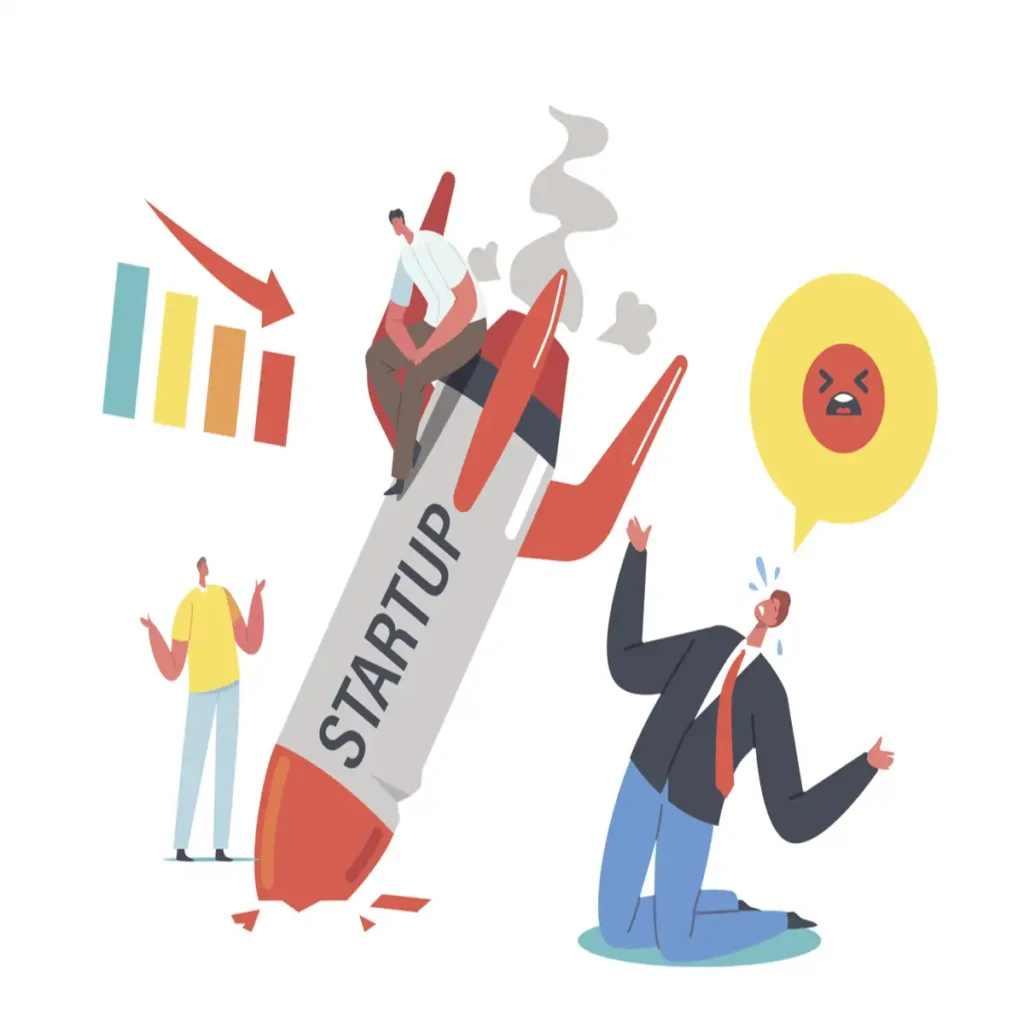
t’s not bad luck that kills most startups. It’s predictable — and often avoidable.
The number one reason? Nobody actually wants the product.
Founders fall in love with their idea and forget to check if anyone else does. They spend months building something people never asked for, instead of listening first.
Other big reasons include:
- Poor money management
- Weak execution or unclear roles
- Losing focus chasing “the next thing”
- Co-founder disagreements
- Expanding too early
- Ignoring user feedback
Start with the Right Problem
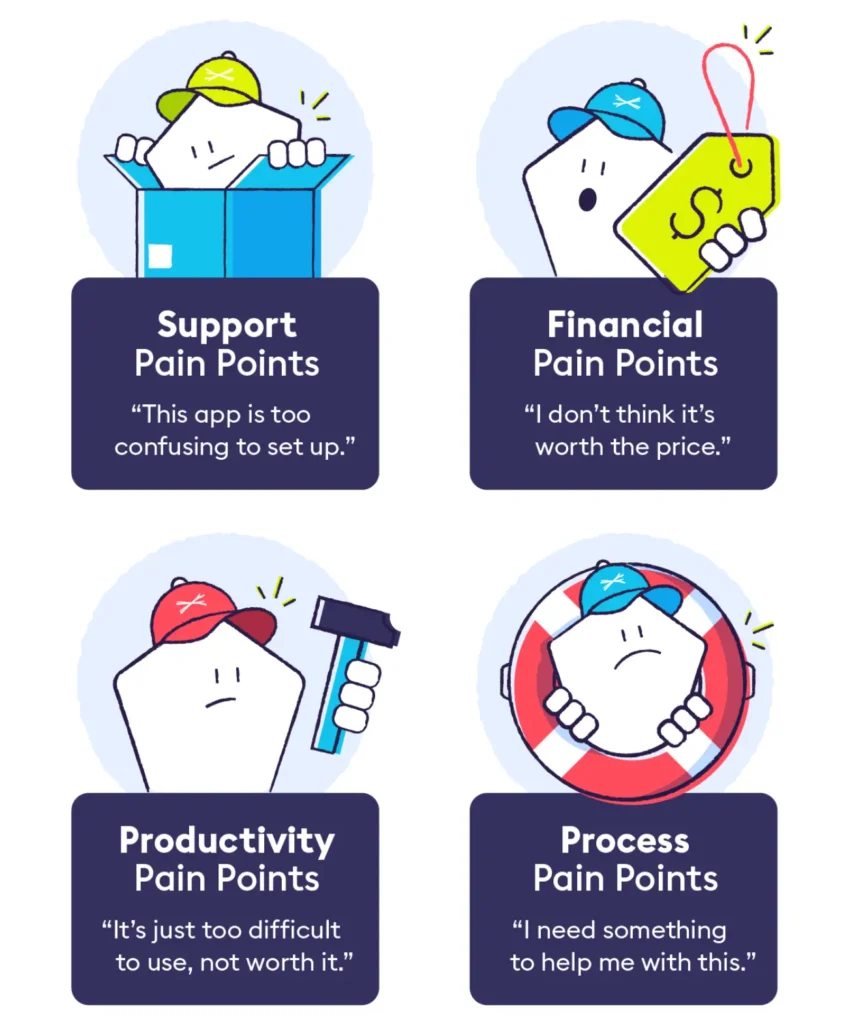
Most first-time founders start with an idea. The smart ones start with a problem.
Instead of saying, “I’ve got a great app idea,” ask, “What problem does this solve — and for whom?”
A good startup problem usually:
Affects a specific group of people
Happens often enough to be annoying or costly
Is something people are already trying (and failing) to solve
The best ideas come from real frustration — yours or someone else’s. Pay attention to what people complain about. The most boring, everyday problems are often where the biggest startup opportunities hide.
How to Identify Real Problems Worth Solving
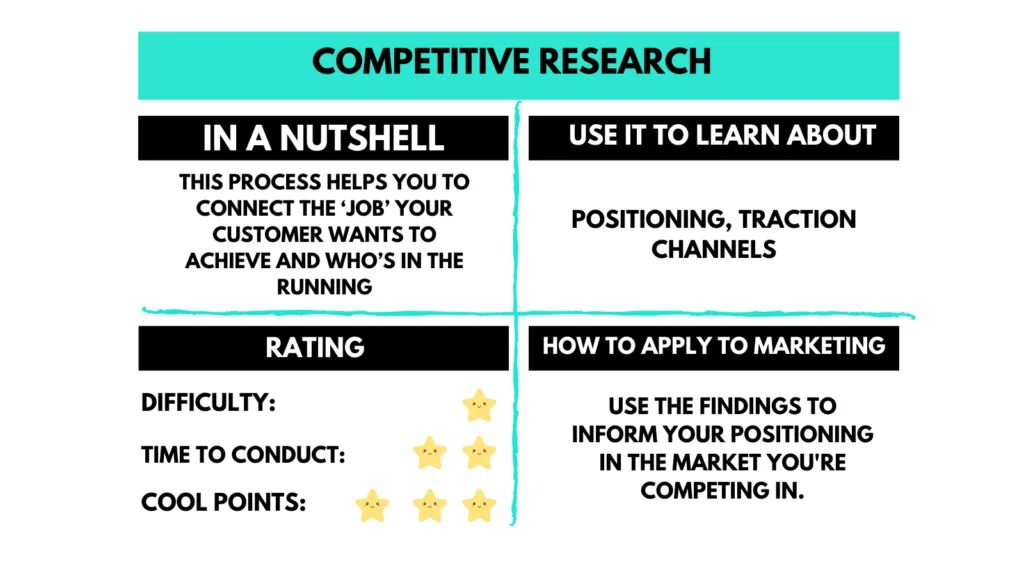
Finding a real problem isn’t about locking yourself in a room and brainstorming for hours. It’s about getting out there and listening.
Here’s how to start:
Talk to people in specific industries
Watch how they actually do their work
Pay attention to repetitive, frustrating tasks
Read reviews — what are people complaining about?
Reflect on your own daily frustrations
If people complain emotionally or repeatedly, congratulations — you’ve probably found something worth fixing.
Validating Your Startup Idea
Validation is where most founders stumble. They think validation means people saying, “That’s a cool idea.” It doesn’t. It means real proof that people care enough to pay, use, or even just sign up.
You don’t need a finished product to validate an idea. You just need honest conversations. Ask your potential customers:
What’s the hardest part of this problem for you?
How are you solving it now?
What would make that easier?
And here’s the trick — don’t pitch your product too early. Just listen. If people are already spending time or money trying to solve that problem, that’s your green light.
Market Research That Actually Helps
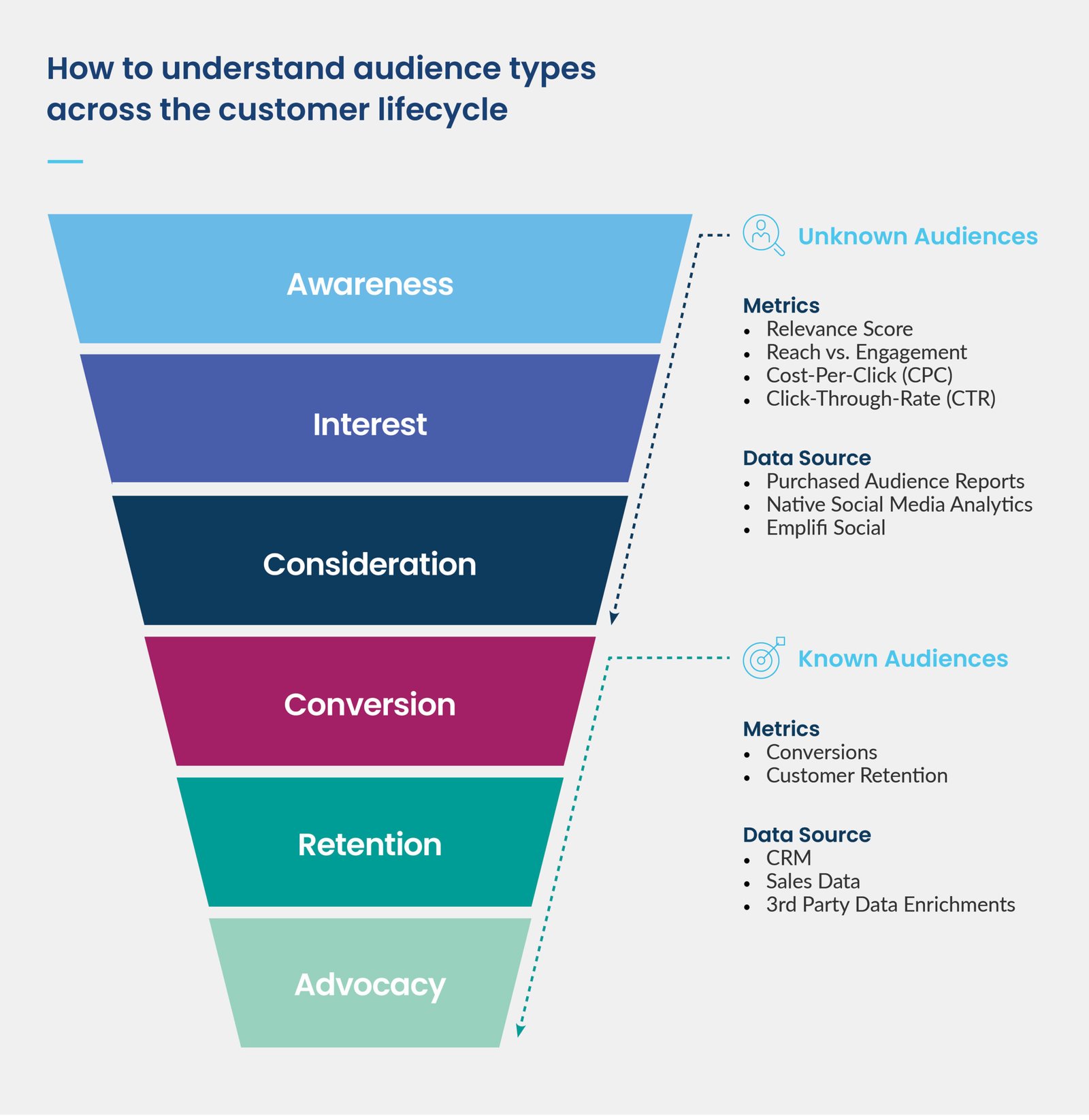
Forget fancy graphs and endless spreadsheets — real startup market research is about understanding people.
You need to know:
Who your ideal customer really is
How they make decisions
What influences their choices
What alternatives they already use
What frustrates them about those alternatives
Once you get that level of clarity, everything — from your marketing to your pricing — starts making sense.
Understanding Competition the Right Way
A lot of new founders panic when they see competitors. But here’s the truth: competition means demand exists. If you have zero competitors, that’s actually a red flag.
Existing competitors prove that:
The problem is real
Customers are spending money
There’s a market worth exploring
The key isn’t to be “better” than everyone — it’s to be different in a way that matters. Maybe your product is easier to use, cheaper, faster, or built for a niche audience the big players ignore. Focus there.
Choosing the Right Business Model
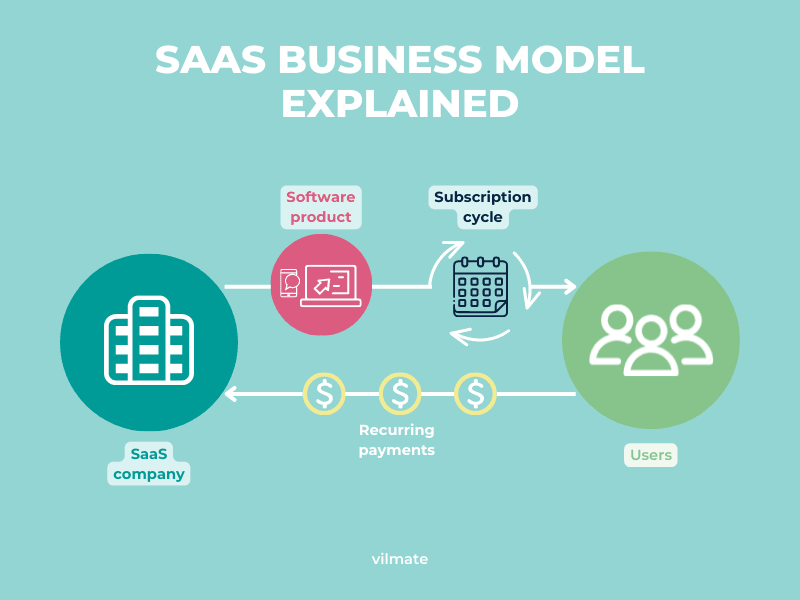
At some point, every startup has to answer a simple question: How will we make money?
A business model explains how you create value and turn that value into revenue. Some common ones include:
Subscriptions
SaaS (Software as a Service)
Marketplaces
Usage-based pricing
Service + product combinations
The best models scale naturally. In other words, as you grow, revenue grows faster than your costs.
Planning Without Losing Flexibility

Startups need plans — just not rigid ones. Overplanning kills agility. In the startup world, things change weekly, sometimes daily.
A good plan should:
Define your problem and solution clearly
Identify your target audience
Explain how you’ll make money
Outline your biggest risks
Then, keep it flexible. Review it regularly and adapt as you learn. The ability to change direction quickly is one of your biggest advantages as a startup.
If there’s one thing I’ve learned from founders who made it, it’s this: success doesn’t come from a perfect plan — it comes from persistence, curiosity, and the humility to learn fast. The startup world rewards people who stay curious and keep going, even when things don’t go according to plan.
